October's options report: four good weeks, one bad day
The October options report in one page: the wheel, the LEAPs, and the day that undid most of the month.
Hey friends — Joe here.
📊 Trades on the Table lands every Saturday. One real position, why I opened it, and what had to be true.
Nothing here is advice. Just documenting my journey and how I think about it.
My October options report is done. This is the short version, without the trade-by-trade detail.
I run two strategies on single stocks. The wheel: I sell puts on companies I'd be glad to own, and covered calls on shares I already hold. LEAPs: long-dated calls I use in place of owning shares.
The receipt
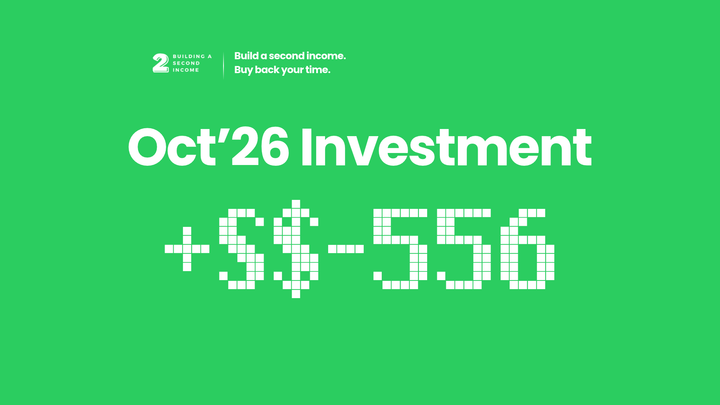
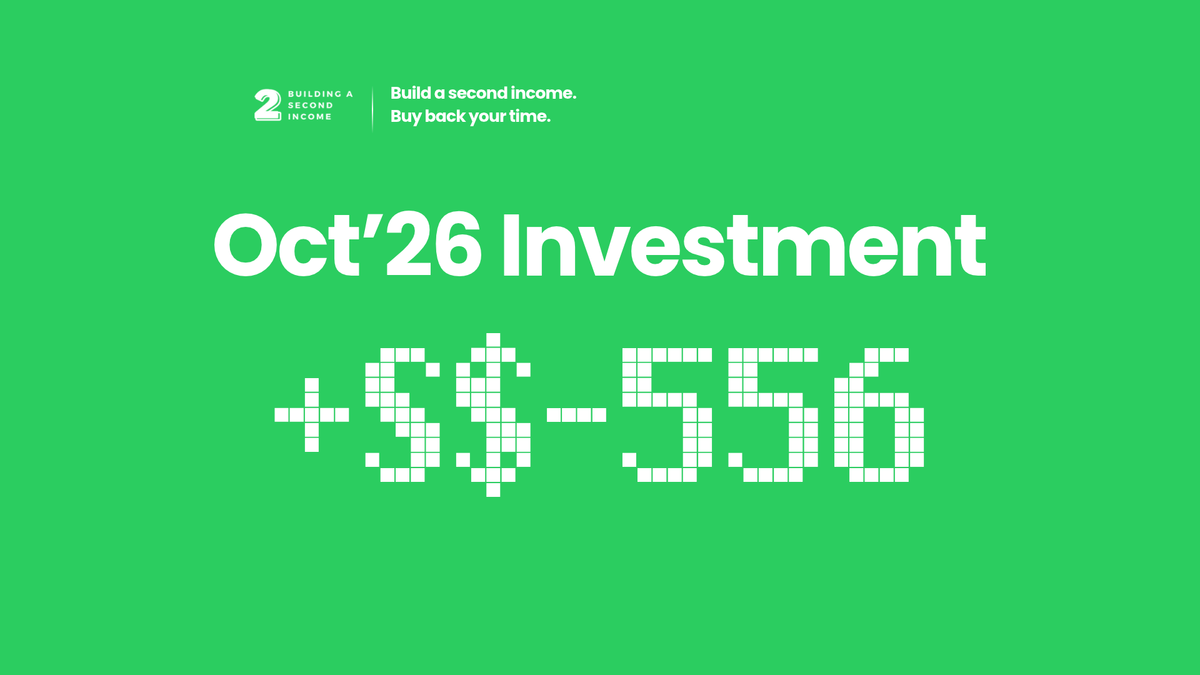
- The Wheel: S$11,202 collected (realised profit: S$5,771 , unrealised loss for shares assigned: -$27,607)
- 17 wheel positions closed in October. 11 closed at a profit, 2 were bought back at a loss, and 4 were assigned, so I bought or sold the shares.
- I kept 53% of the premium on the positions that closed. In August it was 88%.
- Realized profit across both strategies came out roughly flat.
- The Leap: -S$5,771 realised (-$27,911 unrealised due to draw down in last week of Oct)
- 7 of my 8 LEAPs marked down. One hit its stop and was sold at a loss of about a third.
- Open positions and the shares I was assigned ended the month down about 3.5% of the account's starting value.
P.S. Want to see the rest of the book? My monthly stock options ledger and trade reports are here, losses included. → Read the reports
What happened in Oct
For four weeks the wheel did its job. I sold puts into fear after a stock had already dropped, and bought them back once it calmed down.
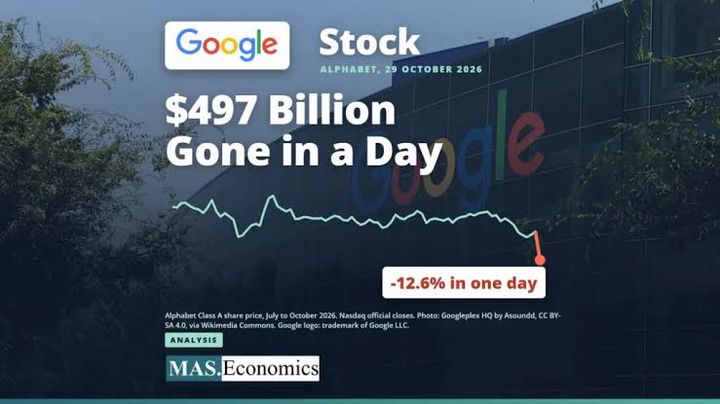
Then came 29 October. On the same day, one software stock I sell puts on fell 27% and Alphabet fell 12%.
A week earlier, one of those puts was 26% out of the money, with days left to run. A cushion that wide almost never matters. This time the stock went straight through it, and I was assigned the shares the next day.
The LEAPs were hit by the same day. A long-dated call moves more than the stock underneath it, and that works on the way down too.
What I got wrong
The strikes weren't the problem. Concentration was.
In the same fortnight I was cutting my Alphabet shares, a put I'd sold added 300 back. And I bought a new LEAP on a stock where I already held shares and sold puts. Too many of my positions depended on the same two companies. The motivating factor is again - greed. I was too optimistic about GOOG.
A wide cushion protects you from a normal month. Only sizing protects you from a bad day.
It's critical to have bottom lines (when to cut loss), but using a hard "stop loss" has it's drawbacks. We often get stop out when stocks get more volatile than usual. In this draw down, my AMZN LEAP call was stopped out. I now prefer to use put options to hedge the positions instead of using a hard stop loss. (I will cover more about this in the next post.)
The Saving Grace
I avoided the earnings date for most of the Put options I sold and closed positions early at my usual profit target, days before their stocks fell hard.
I had set aside the cash for share assignments and didn't stretch more than I could handle.
I hedged about 40% of GOOG positions using put options so it helped to cushioned the 12% fall to a great extent.
What did the recent market correction teach you about your investment and portfolio?
Hit reply and tell me. I read every one.
Keep growing!
Joe
P.S. Want to see the rest of the book? My monthly ledger and trade reports are here, losses included. → Read the reports
🎓 Enrollment for the Jan 2028 cohort of the Second Income Academy is now open— capped at 5 people so everyone gets real hand-holding through their first trades.
This describes trades I personally made. It isn't investment advice or a recommendation to buy or sell anything. Selling options can lose more than the premium collected, and a LEAP call can lose its full cost. Figures come from my broker statement for 1–30 October 2026, are measured in SGD, and are rounded.
The Income Stack runs three times a week — 💡 One Idea on Tuesday, 🛠️ The Solopreneur Stack on Thursday, 📊 Trades on Saturday.