"Nothing's Free."
When it comes to investing, most people only want the return of investing, not the volatility that comes with it. Morgan Housel puts it plainly. The price of long-term returns is market volatility.

I re-read The Psychology of Money recently.
One of the key insights in the book is that “nothing’s free”.
When it comes to investing, most people want the returns without the volatility that comes with them.
Morgan Housel puts it plainly: the price of long-term returns is market volatility. Most people try very hard to avoid paying it, because they don’t see volatility as the price of returns. They see it as a fine to be avoided.
His answer is to treat volatility as “an admission fee worth paying.”
A fine is a punishment for doing something wrong.
An admission fee is what you pay to get in.
And his warning is that if you see the fee as a fine, you never get to enjoy what it buys.
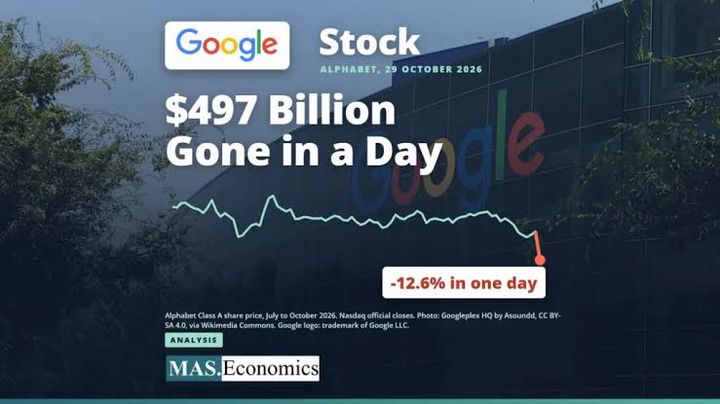
It’s a timely reminder, as US equities have been falling since the start of November (the S&P 500 and Nasdaq 100 are both down about 6.6% month to date at the time of writing).
Market volatility is the admission fee to play the game, and the fee we pay for long-term returns.
In a drawdown like this, we need to make the mindset shift Housel suggests: realise that this is the fee, and that it is worth paying.
The other thing that matters in a drawdown is risk management. It makes sure we aren’t forced out of the game early, so we can keep playing for the long run.
I wrote about hedging two weeks ago. Hedging means giving up some upside to buy insurance against a drawdown.
I see this as part of the price of staying in the game too.
When the weather changes, it helps to be prepared.
Now that the S&P 500 is drawing down, I have more choices about how to keep playing.
For example, I can sell my hedges, take the profit and reinvest it in my long-term positions at today’s lower prices. Or I can keep holding the hedges if I expect the downtrend to continue.
I’m also holding about 35% of Net Asset Value in cash, which keeps my buying power ready for when the downtrend turns.
How do you think about the price of investing? Do you see volatility as a fine, or as an admission fee for long-term returns? Hit reply and share your thoughts with me.